We avoided La Boca for a long time. I love colour, but the idea of tacky, touristy El Caminito, the little street with painted houses, left me cold.
But then I heard about Benito Quinquela Martin.
Martin and La Boca are intertwined.
In 1890 he was left, wrapped in a cloak, at the door of the Sisters of Charity. Written in pencil, on a silk handkerchief were the words ‘This child has been baptised and his name is Benito Juan Martin’. The silk handkerchief had a flower embroidered on it and was cut in half. The other half remained in the hands of the person who left it there, perhaps with the idea of one day claiming it and him. But Benito remained at the orphanage for seven years, until he was adopted by Manuel Chinchella, an Italian immigrant, and Justina Molina, of indigenous origin.
The family lived in La Boca and made a living selling coal. Benito barely went to school, barely knew how to read and write, but showed a talent for drawing. Later when he was working as a labourer in the port, carrying sacks, he paid for his first drawing classes, and in his late teens was able to study art with funding from a neighbourhood cultural programme.
Benito painted what he knew and loved: La Boca. Silhouettes of labouring men, water reflections, fire, dark colours, rough strokes, thick paint. ‘Crude’, Jim says. But I love the simplicity, the roughness of his work. Emotion laid bare.
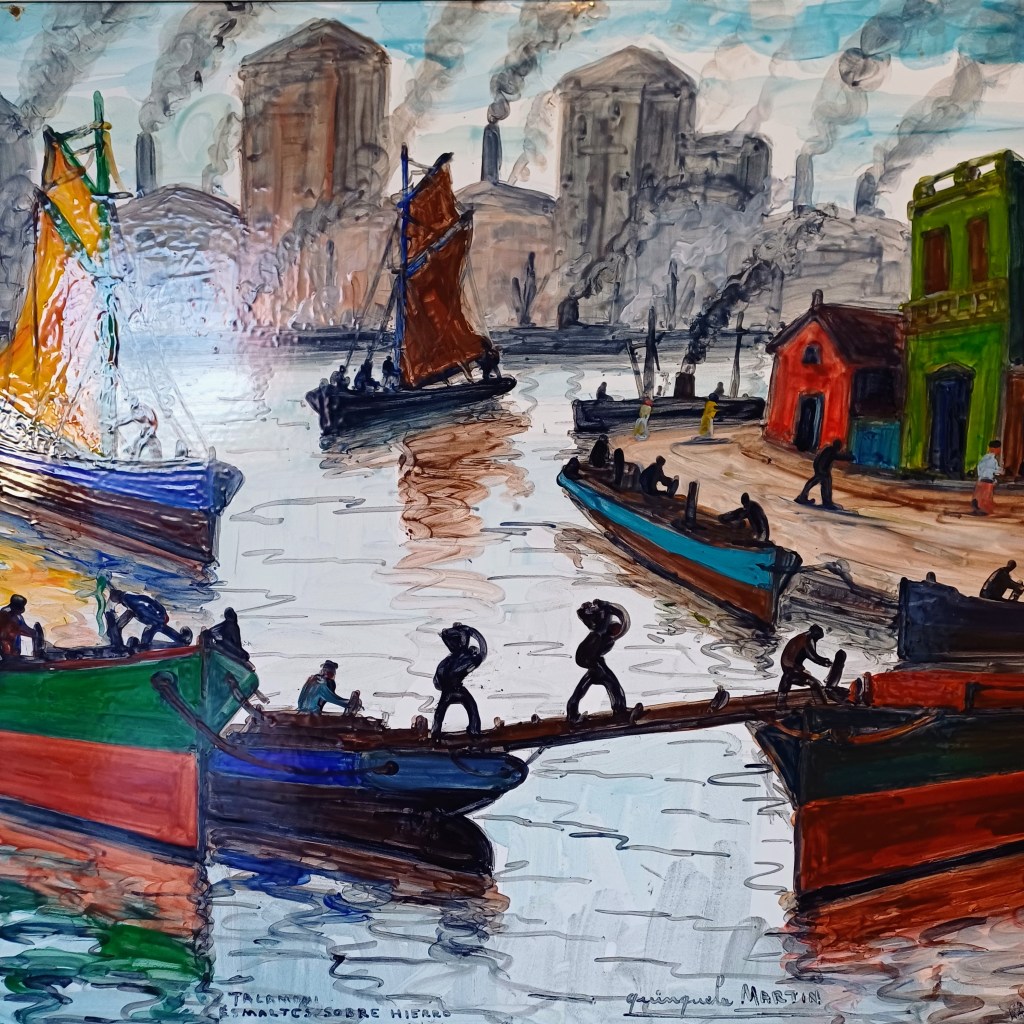
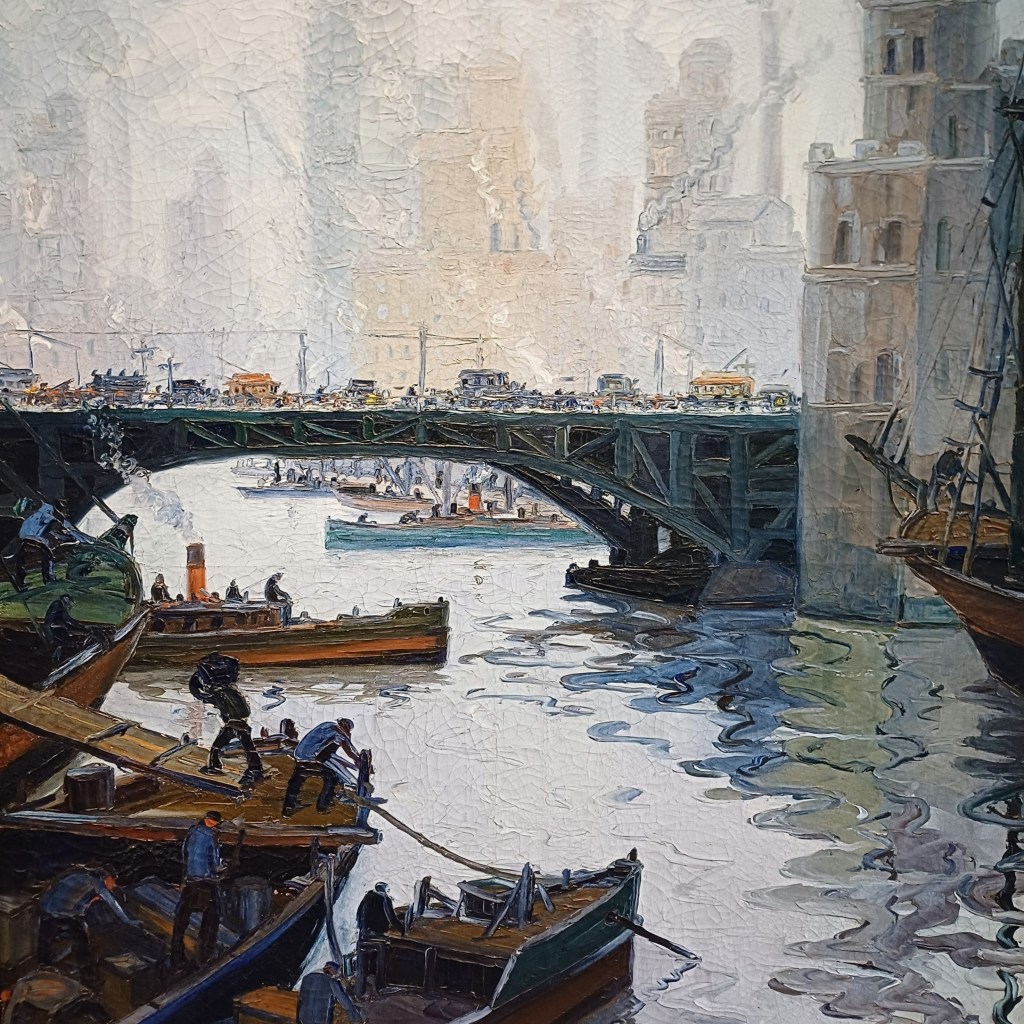
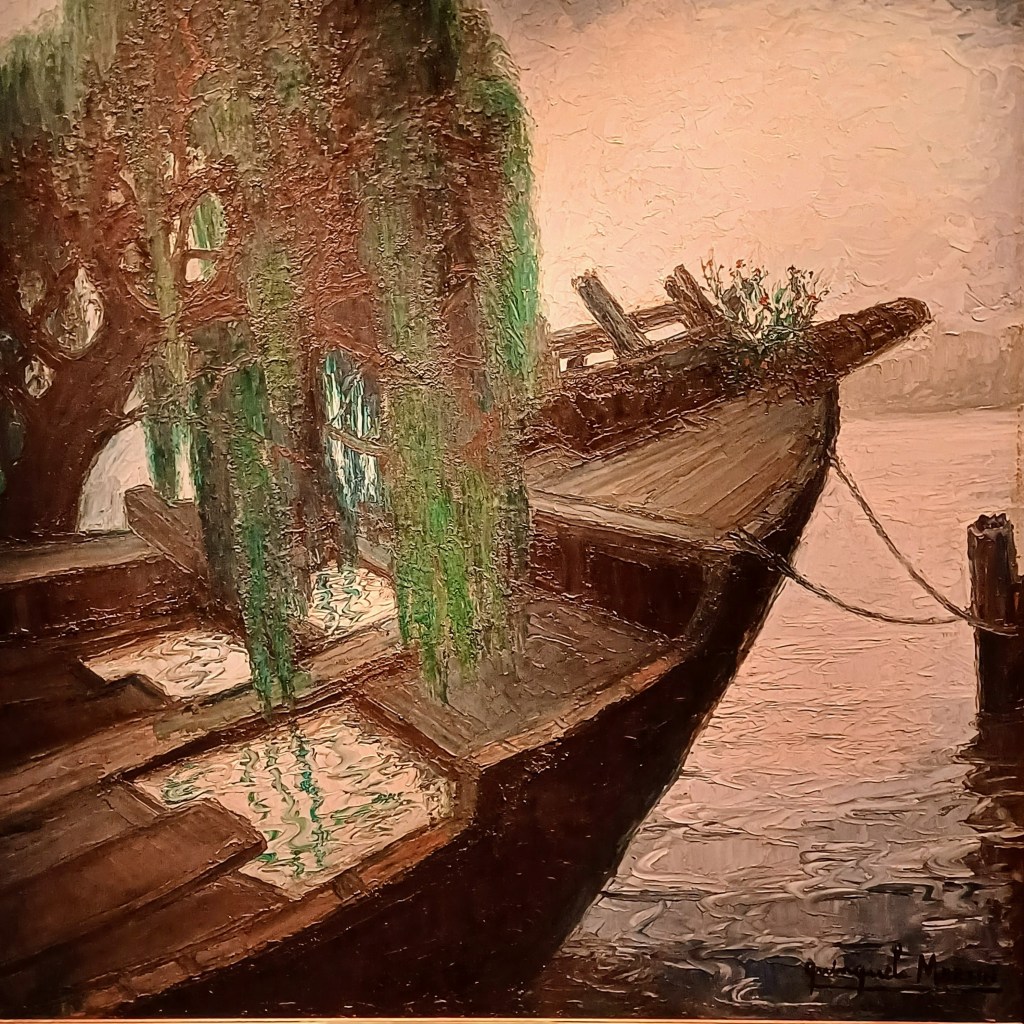

‘Colour has no limits. Every colour expresses a moment, an emotion…’
What I liked best was his former home.
Ordinary, but colour-drenched. I picture him cooking in his candy-coloured kitchen, on his orange, blue and turquoise gas-burners. Calling someone on the yellow phone next to his bed. Playing his green, blue and pink piano painted with the boats that filled the view from his windows.
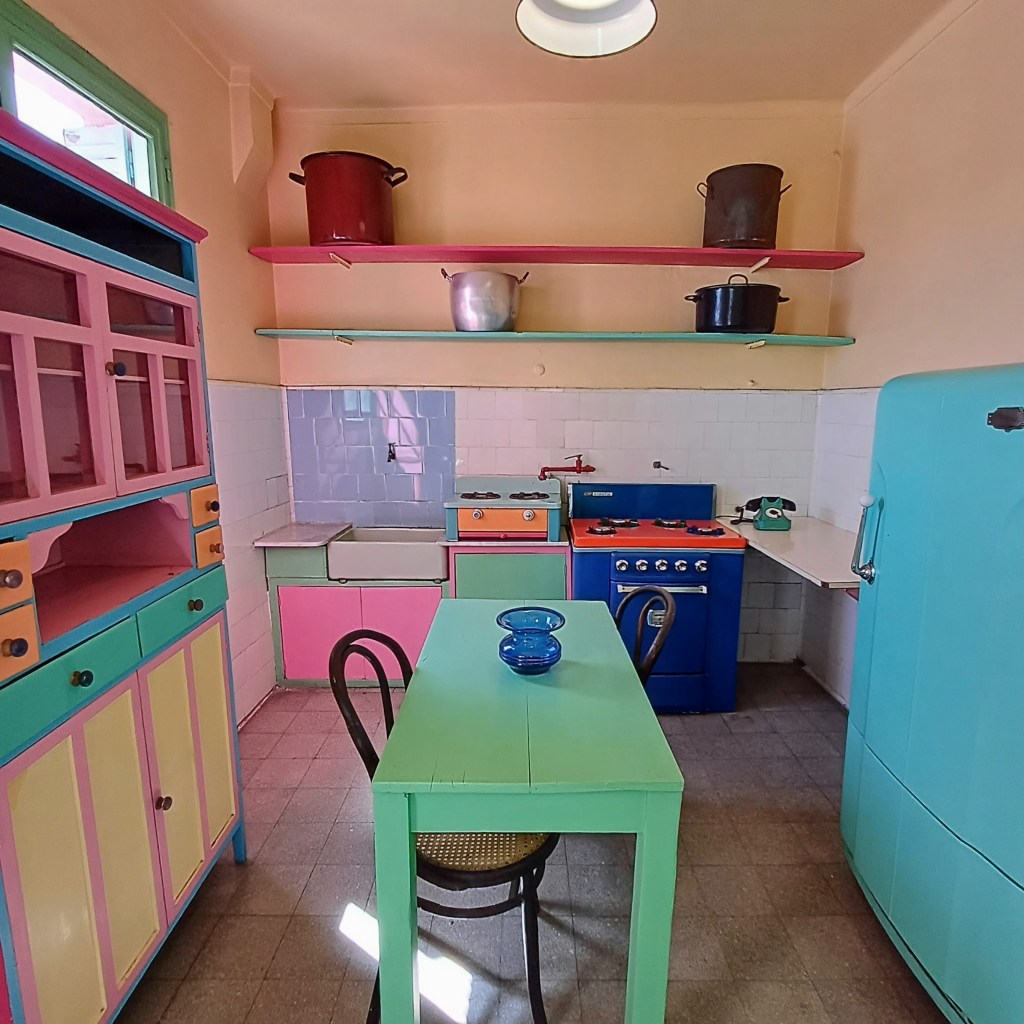
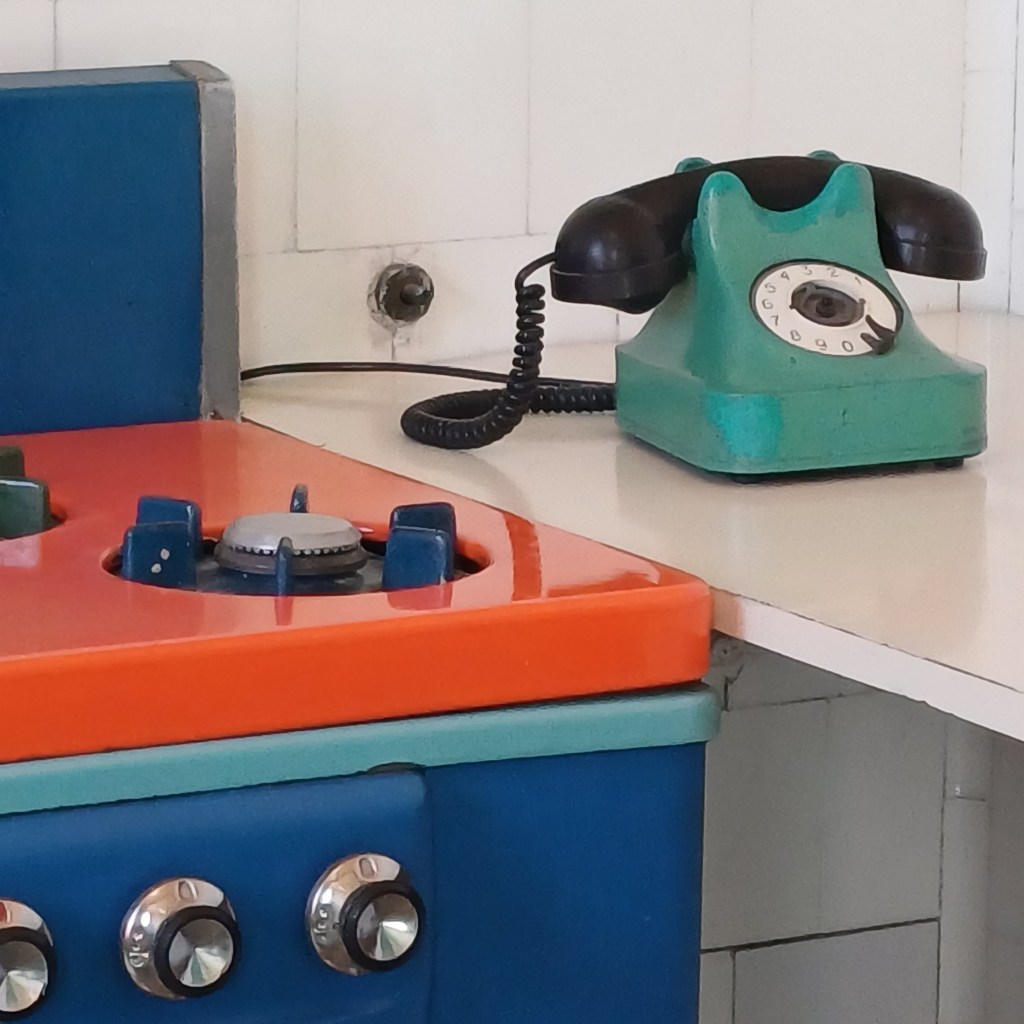
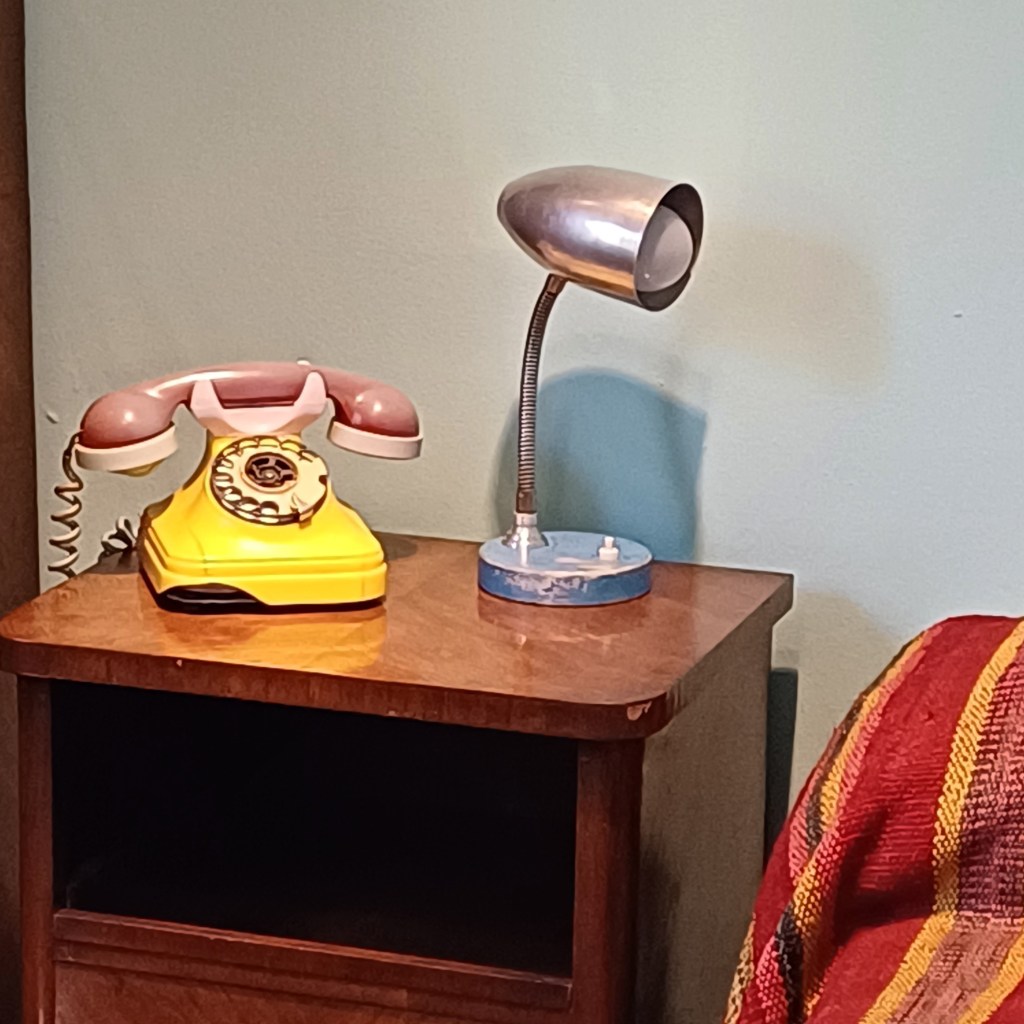
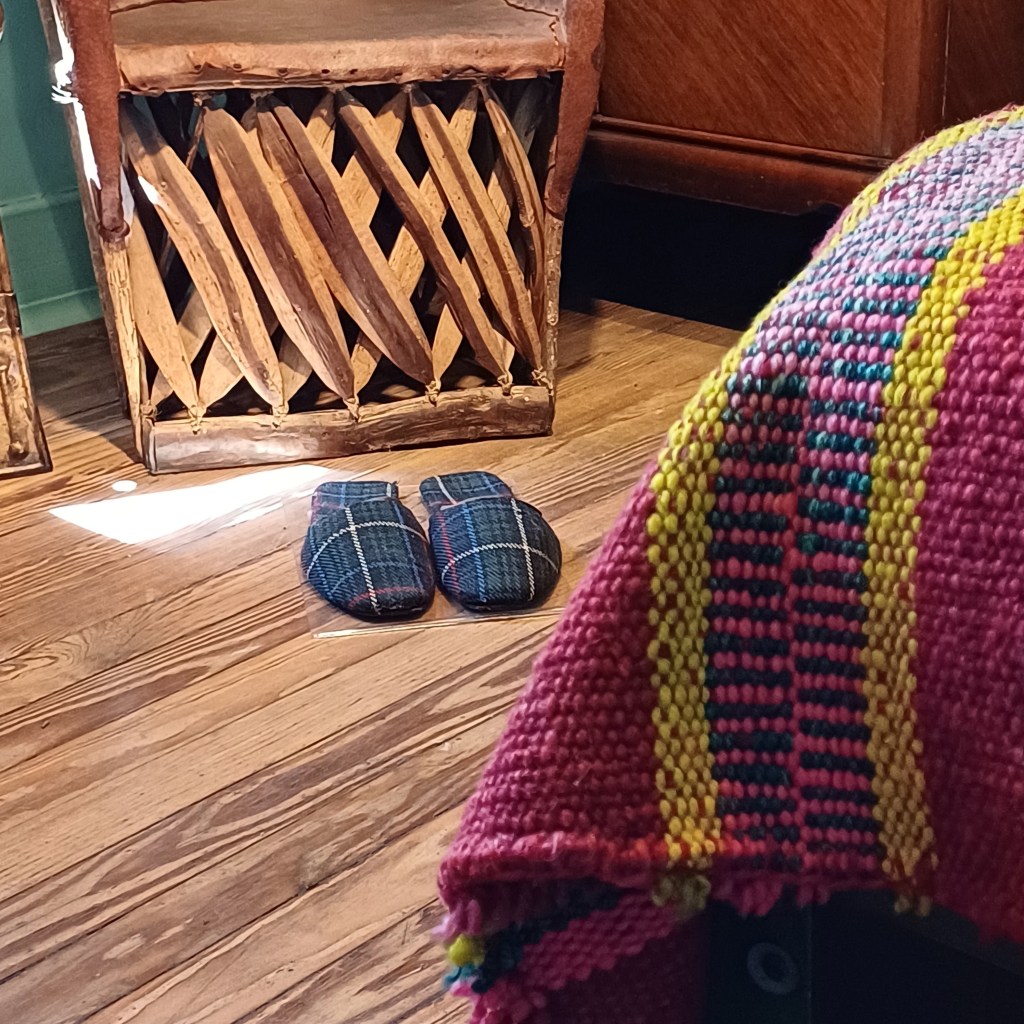
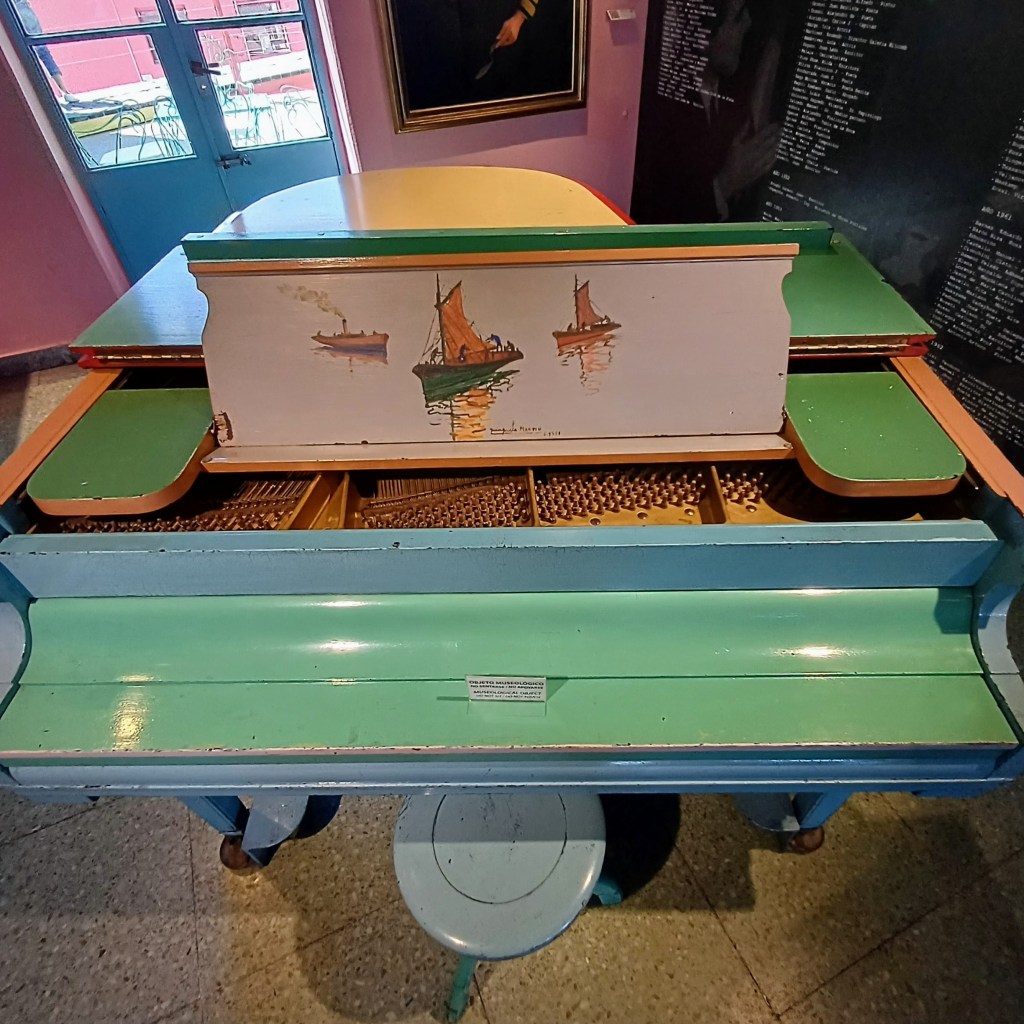
He must have been an extraordinary person. Child-like, he seems to have painted almost anything he could get his hands on and looking at his home made me feel like a kid. When La Boca declared itself an independent republic, Quinquela declared himself it’s ‘Rearest Admiral’. He wore his blue admiral uniform with golden screw buttons to preside over meetings of the Order of the Screw (which he founded). He explained, ‘I long ago discovered that anyone worth a damn, anyone with sensitivity, is usually missing a screw or two’. Charlie Chaplin was a member.

He campaigned against black coffins – especially for artists. ‘Why should we who owe our very bread to colour go to our graves in black boxes?’ In his will, he ordered that his own coffin be soft pink inside, with a blue top, vermillion ends and green sides. That’s an idea I might adopt.
He became known as the ‘pintor carbonero’, (the collier painter), and then as the painter of La Boca, but he never forgot his origins. In the 1950s much of the original colourful tenement housing was being replaced by dull housing blocks. Benito, wanting to preserve the essence of his neighbourhood, had the idea of rescuing some of them and with the help of friends painted the tenements in different colours and installed several artworks. ‘El Caminito’ was born.
He also founded an art school, two children’s nurseries, a children’s dental hospital, and a milk dispensary for children. He created a museum, to display not only his own work, but also that of other Argentine artists. For me this had much more impact than the Fundacion PROA, the large modern art museum close by.
‘La Boca is my office, my refuge and my model. Everything I’ve done and achieved is a prize for joy. In my life and in my art, I’ve also remained loyal to my people, my port and my neighbourhood’.
I find Martin’s story inspiring. Because of him and his art, I was able to see La Boca in a different light. Not a tourist trap, but a neighbourhood with history and community.
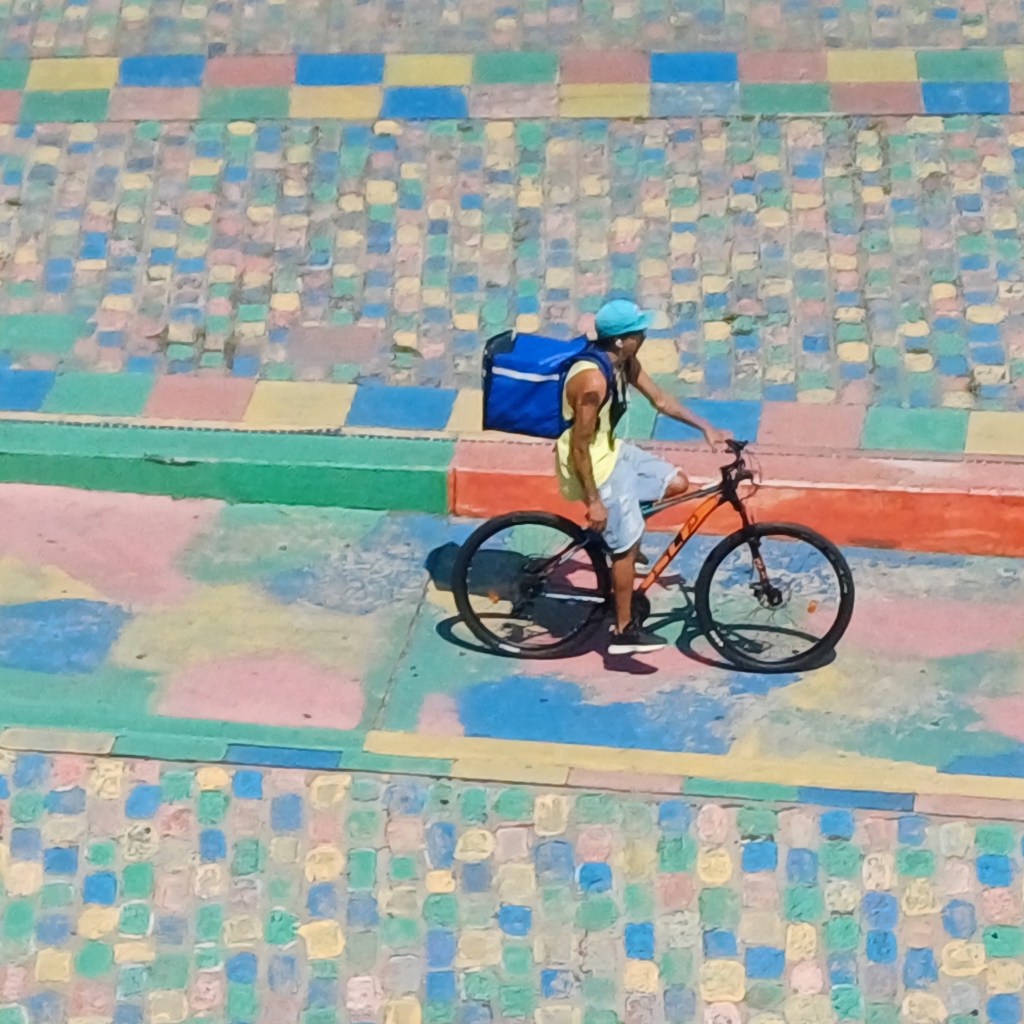

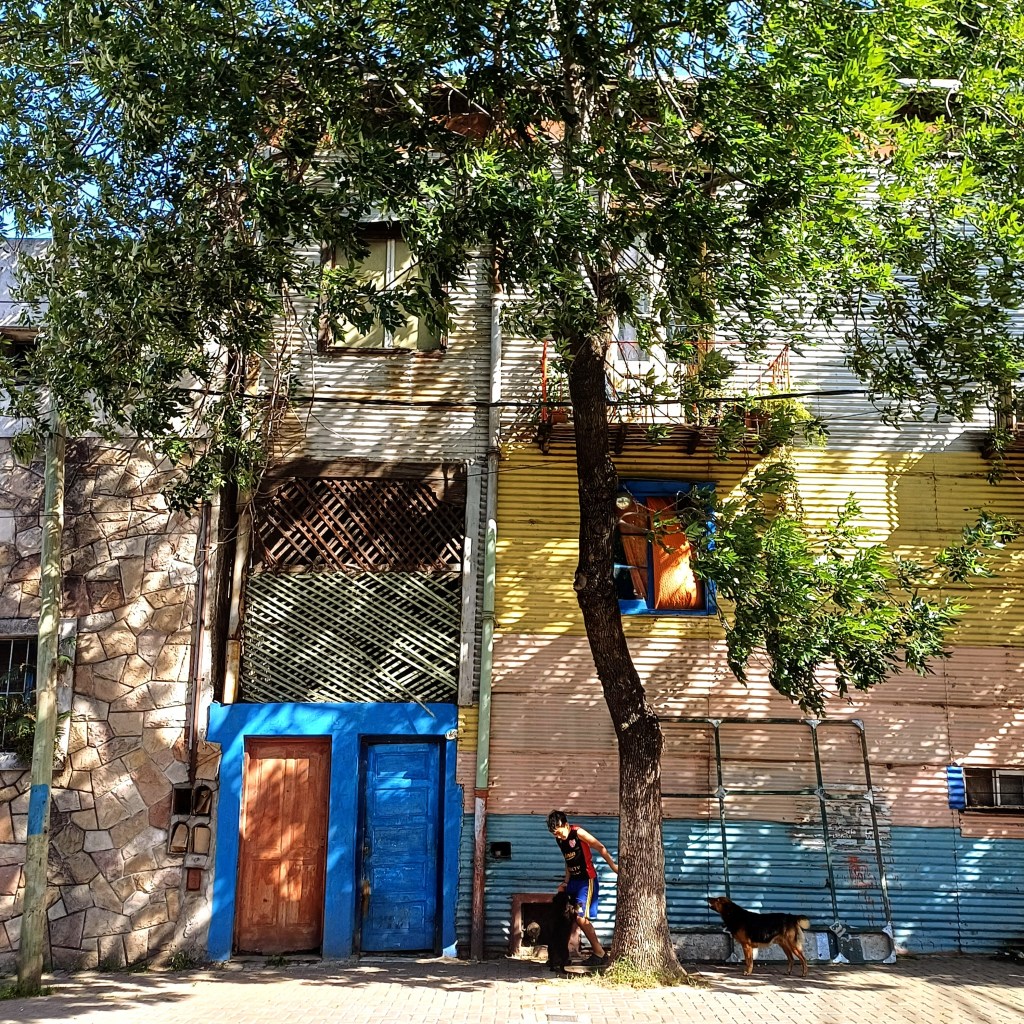
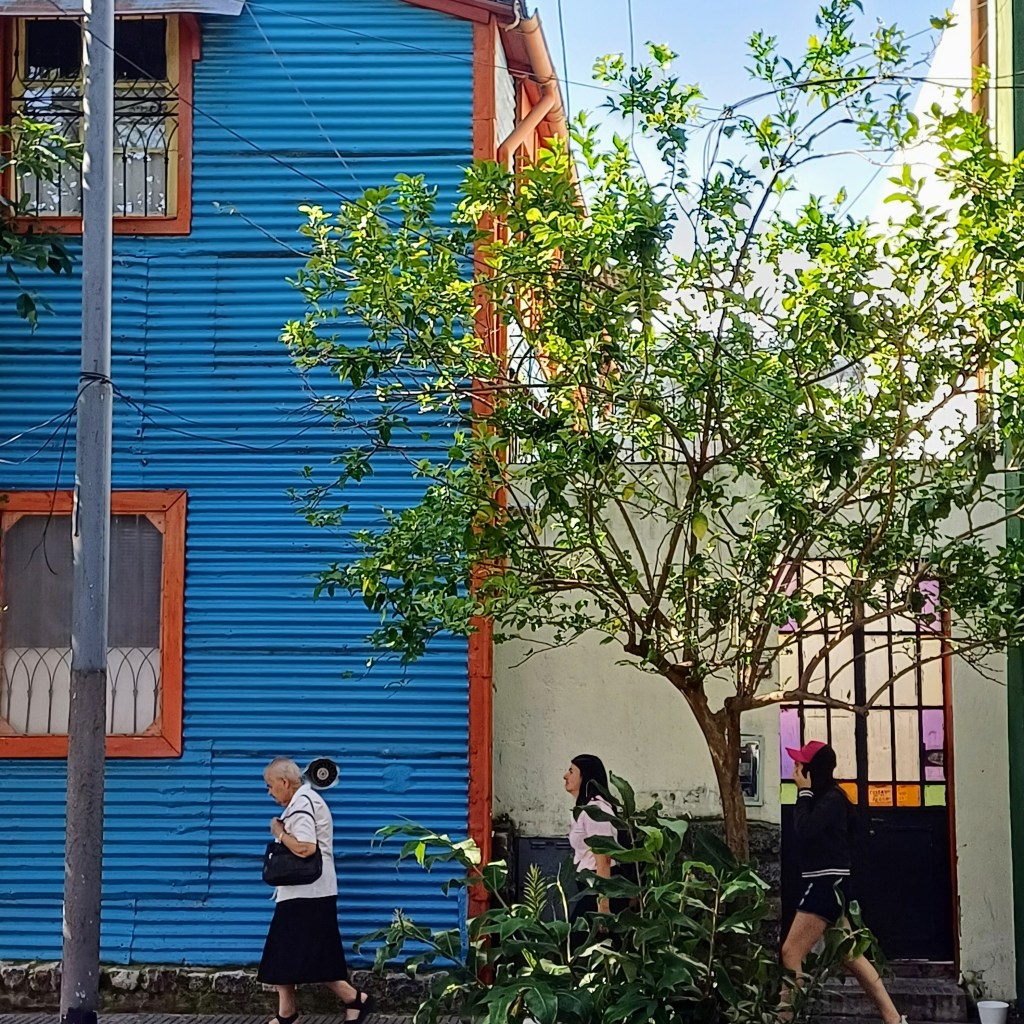
Away from El Caminito the houses are still colourful, the streets quieter, the people friendly. No tango dancers. No steak restaurants. Well worth a visit.
Practical Stuff.
Parts of La Boca can be a bit unsafe. Don’t stray too far from touristy areas, and use common sense.
Fondacion PROA has a good restaurant with a lovely outdoor terrace.
 Wondering Woman
Gloriously inspiring! Another lovely Sunday morning stroll filled with colour from the comfort of my bed! Thank you. 🌈❤️🙏
LikeLike
I can picture you there, Sue! I too found this artist so exciting. Colour, glorious colour!
LikeLike
The first painting that you share reminds me so much of JS Lowry.
I personally adored El Caminito. All that colour in what must have been a very colourful port area in older decades…
LikeLike
I know what you mean about Lowry. And I too, loved the colour!
LikeLiked by 1 person
I loved La Boca – for the colour, and the originality. I did not know about Martin, and I’m so glad I do now. And his paintings are magical, and real. I don’t find them crude, but full of heart and depth. Wonderful post!
Alison
LikeLike
His paintings touched me deeply. Indeed he did give, what must’ve been awful, demanding work a kind of magical quality. Guess that’s his own feelings about his area coming through.
LikeLike